Health and Safety Policy for Landscaping Limehouse
 Our Landscaping Limehouse health and safety policy is designed to protect employees, contractors, clients, visitors, and members of the public from avoidable harm. We are committed to maintaining a safe working environment across every stage of outdoor works, from preparation and planting to maintenance and clean-up. This policy applies to all landscaping activities and is supported by clear procedures, careful supervision, and regular review. Safety is not treated as an afterthought; it is built into planning, scheduling, and day-to-day operations.
We recognise that landscaping work involves changing conditions, physical tasks, and the use of tools, machinery, and materials. Because of this, our approach focuses on identifying hazards early and controlling them effectively. Every project is assessed for risks such as slips, trips, lifting strain, contact with sharp tools, moving vehicles, weather exposure, and the handling of soil, stone, timber, and chemicals. The aim is to reduce risk as far as reasonably possible while maintaining high standards of workmanship.
All staff involved in Limehouse landscaping are expected to take responsibility for safe conduct and to follow approved methods at all times. They must use equipment correctly, wear suitable personal protective equipment, and report unsafe conditions without delay. Supervisors are responsible for making sure work is organised safely, that tasks match workers’ competence, and that any concerns are addressed promptly. This shared responsibility helps create a strong safety culture across all operations.
 Before any work begins, a site-specific assessment is carried out to identify possible hazards and decide on suitable control measures. This includes checking access routes, underground services, overhead obstacles, ground stability, and the condition of the work area. Where needed, tasks are planned to reduce disruption and avoid unnecessary exposure to risk. In addition, equipment is inspected before use to confirm it is in good working order and safe for the intended job.
Our landscaping safety arrangements include clear instructions for safe manual handling. Materials such as paving, turf, compost, and planting containers can create significant strain if lifted incorrectly. To reduce the risk of injury, heavy items are moved using appropriate aids where possible and team lifting is used for awkward loads. Workers are trained to assess load weight, maintain stable footing, and avoid sudden twisting or overreaching. These measures help prevent common musculoskeletal injuries.
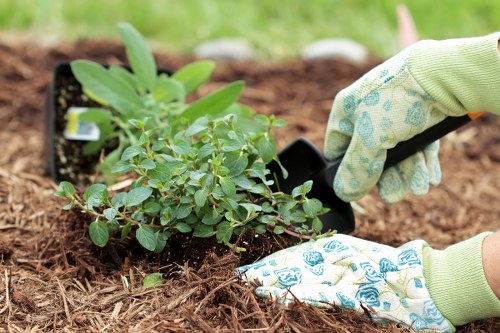
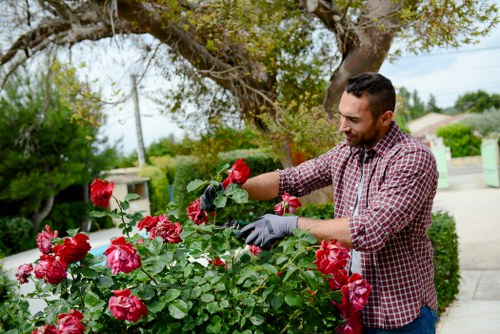
Protective clothing and equipment are selected according to the task and site conditions. This may include gloves, eye protection, hearing protection, safety footwear, high-visibility clothing, and weather-appropriate layers. Where dust, spray, or chemical exposure is possible, additional controls are used to protect health. PPE is treated as the final layer of defence, supporting—rather than replacing—good planning, training, and safe working methods. Correct use of protective equipment is mandatory whenever the risk assessment identifies a need.
 The safe use of tools and machinery is central to our Landscaping Limehouse policy. Only authorised and competent workers may operate powered equipment, and all tools must be maintained in accordance with manufacturer guidance. Guards, safety features, and emergency stops must remain in place and functional. Blades and moving parts are handled with care, and equipment is isolated before cleaning, adjusting, or replacing components. Faulty or damaged items are removed from service immediately.
Work areas are kept orderly to minimise trips, falls, and collisions. Waste, offcuts, loose materials, and trailing cables are cleared promptly, and storage is arranged to avoid obstruction. Where work takes place near entrances, pathways, or shared spaces, barriers and warning signs are used to separate people from hazards. Attention is also given to lighting and visibility, especially during early morning or late-day tasks. Good housekeeping is a simple but essential part of safe landscaping practice.
Environmental conditions are closely monitored because rain, wind, frost, heat, and low light can increase risk. Tasks may be delayed, reassigned, or carried out with extra precautions when conditions become unsafe. Hydration, rest breaks, sun protection, and suitable clothing are encouraged during warmer periods, while wet or icy ground requires extra care to prevent slips. A flexible approach ensures that outdoor work remains safe without compromising professionalism or quality.
Training, supervision, and communication are key to the success of this policy. Workers receive instruction relevant to their role, including safe tool use, hazard awareness, manual handling, emergency response, and the correct use of PPE. Refresher training is provided when procedures change or when new risks are introduced. Supervisors check that employees understand the requirements and can carry out their duties competently. Ongoing awareness helps prevent mistakes and reinforces safe habits.
 Emergency arrangements are in place so that incidents can be dealt with quickly and calmly. First aid provision is maintained, emergency access is kept clear, and workers know how to raise an alarm and seek help. Any accident, near miss, or unsafe event is recorded and investigated so that lessons can be learned and improvements made. Where appropriate, work is paused until the hazard is controlled. This responsive approach supports both immediate safety and long-term improvement.
Health risks are also considered, especially where tasks involve repeated movement, prolonged kneeling, exposure to dust, noise, vibration, or plant-related substances. Controls are used to reduce these exposures, including rotation of tasks, suitable equipment, and proper welfare arrangements. Workers are encouraged to speak up early if they experience discomfort, fatigue, or signs of ill health. Protecting health is just as important as preventing accidents in landscaping services.
 This policy is reviewed regularly to make sure it remains effective, practical, and suitable for changing working conditions. Reviews may take place after an incident, following new equipment purchases, or when work methods change. Senior management takes overall responsibility for maintaining this policy and ensuring that sufficient resources are available to implement it. Every worker is expected to support safe practice and contribute to continuous improvement.
Landscaping Limehouse is committed to delivering reliable outdoor work while safeguarding the wellbeing of everyone affected by our activities. By planning carefully, using equipment responsibly, maintaining good housekeeping, and responding quickly to hazards, we aim to prevent injury and protect health at every stage of the job. This policy reflects our commitment to professionalism, care, and consistent health and safety standards.